Pneumonia: the leading cause of child deaths 
Pneumonia is the leading killer of children. Nearly 1.4 million children under five die from the disease each year, accounting for nearly one in five child deaths globally. This toll is concentrated among disadvantaged children in sub-Saharan Africa and South Asia. Reducing child mortality rates will only be achieved through intensified efforts to tackle pneumonia.
In developing countries, pneumonia strikes children 150 million times every year. Mortality due to childhood pneumonia is strongly linked to poverty-related factors such as undernutrition, lack of access to safe water, inadequate sanitation, indoor air pollution and poor access to health care. An integrative approach to tackle this serious public health issue is urgently needed.
Prevention and Case Management Can Reduce Childhood Pneumonia Deaths
Protecting children from developing infections that lead to pneumonia is critical to reducing deaths. Efforts include:
- Immunizing children against measles, Hib and pneumococcal disease.
- Ensuring adequate nutrition through exclusive breastfeeding during the first six months of life, and by providing zinc and vitamin A supplements.
- Reducing indoor air pollution
- Promoting basic hygiene practices, such as washing hands with soap and safe disposal of children’s faeces.
Most severe cases are caused by bacterial pathogens. Once a child develops pneumonia, prompt treatment with a full course of effective antibiotics is lifesaving. However, where access to health services is limited, prompt diagnosis and treatment is not readily available. Even if care is available, many parents are not aware of the pneumonia dangers signs until too late.
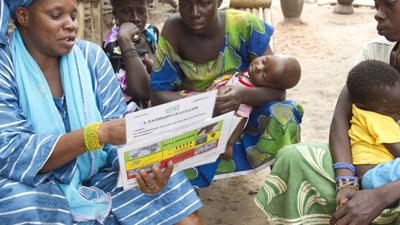
Studies show that training of community health workers (CHWs) to diagnose and treat uncomplicated pneumonia can save children’s lives. Effective pneumonia case management includes accurate diagnosis based on breathing rates. CWHs are trained to observe and count the lower chest wall retracting when the child takes a breath. These measures help the CHW to classify the severity of the infection. The CWHs can treat children with non-severe pneumonia cases with antibiotics, but those with severe pneumonia must get immediate treatment at the nearest health facility.
